The Regions
4 min read
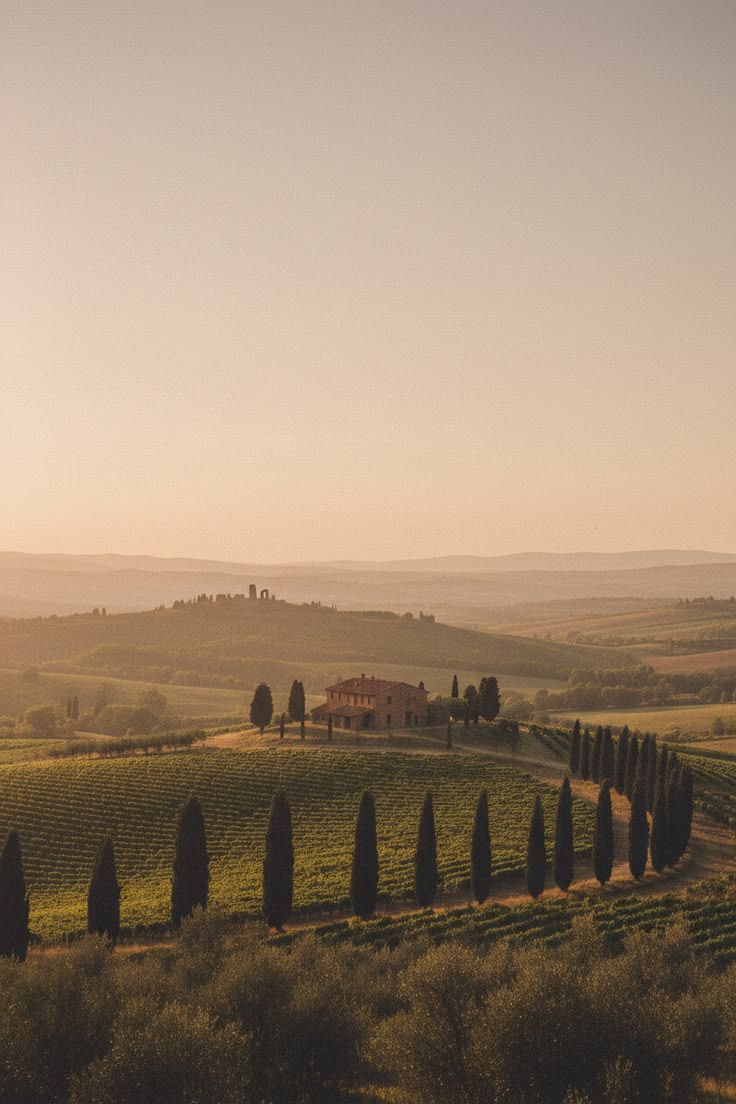
Tuscany earns its reputation honestly, but Italy opens up when you let the obvious route loosen. After the first sweep of vineyards, hill towns, and cypress-lined drives, I usually look for places with the same emotional register and a little more room to breathe.
Look for texture, not a replacement
Umbria gives you medieval silhouettes and olive groves without the same choreography. Piedmont brings long lunches, serious wine, and misty hills that feel more private. Le Marche is where I send travellers who want the romance of central Italy with a coastline still capable of surprise.
None of this works as a straight swap. The regions I mention are not Tuscany's understudies, and treating them that way is how people end up disappointed somewhere that never claimed to be a copy in the first place.
How I actually match the region to the traveller
I start by asking what specifically pulled at someone in Tuscany. Some people loved the walking, the ability to leave a hill town on foot and be in vineyards within ten minutes. Others loved the sense of occasion, the four-hour lunch nobody rushes. A few loved getting lost, the wrong turn that ends at a chapel nobody photographs. Those are three different trips, and they lead to three different next regions, even if all three technically fall under the Italian countryside on a map.
What tends to surprise people
Umbria is quieter than most travellers expect, almost to a fault if you do not know where to eat. Le Marche still catches people off guard simply by existing, most visitors have never been told there is a coastline attached to that kind of countryside. Piedmont, for its part, surprises people with how seriously it takes a meal, a lunch booked for two hours can run four without anyone at the table minding.
The point is not to avoid Tuscany. It is to understand what you loved about it, then follow that feeling somewhere with a different rhythm.